Walk into any high-end jewelry boutique in Tokyo or London, and you’ll notice it immediately: some gemstones are treated almost like celebrities. They have names, histories, even personalities, in a sense. Take the Graff Pink Diamond, for instance. A single glance and you understand why a gem that weighs just a few carats can make headlines across the world—it’s one of the few pink diamonds on the planet that actually qualifies as “fancy intense.” There’s something almost absurd about that, right? A tiny rock commanding attention like a VIP at a gala.
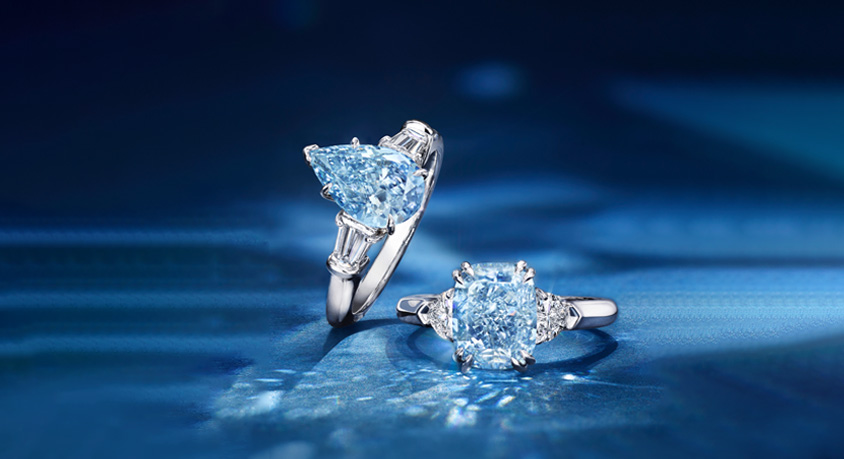
During a visit to a boutique in Zurich, I spotted a Harry Winston Blue Diamond Ring. The shade was unlike anything I’d seen in a conventional jewelry store—the kind of blue that makes your brain pause and say, “Wait… is that even real?” Turns out, the global supply of these blue diamonds is ridiculously limited. There’s probably fewer than a hundred that are known and certified, meaning that every time one surfaces in an auction or private collection, it’s essentially a headline waiting to happen.
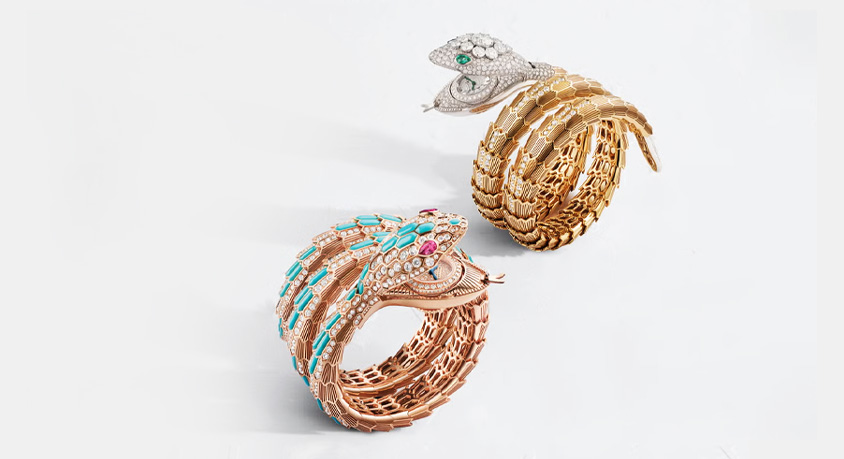
Bulgari’s Serpenti collection often features gemstones like paraiba tourmalines, which glow with almost neon-like turquoise brilliance. The thing about paraiba is that it’s originally from Brazil, and the mines have been giving up less and less over the years. You can imagine the supply-and-demand game that ensues—luxury collectors quietly competing for the same handful of stones, bidding like it’s a fast-paced poker game, but without the cards.
Seeing these rare gemstones up close changes your perspective on luxury. When a jeweler carefully mounts a deep blue sapphire into a platinum setting or hand-selects a cluster of spinels for a delicate necklace, it’s like watching a tiny universe of color and light come alive. And while diamonds and sapphires are the usual suspects, there are actually gems you probably never heard of—like musgravite or red beryl—that exist in quantities so minuscule you’d be lucky to spot one in your lifetime.
Picture this: you’re at a casual brunch in Berlin, and someone across the table is wearing a subtle pink diamond pendant. It’s not screaming “look at me,” but it quietly whispers, “there’s a story here.” Later, you meet friends for coffee in Dubai, and a tiny paraiba tourmaline ring glimmers between your fingers. The rarity doesn’t just make the jewelry expensive—it gives it narrative weight. People naturally want to know the backstory, the origin, and the journey of the gemstone from remote mines to elegant boutiques.
Auctions can be almost as dramatic as the gems themselves. Private collectors sometimes outbid each other quietly, leaving the public only with headlines and whispers. Occasionally, the jewels resurface in exhibitions, like the Pink Legacy displayed at Christie’s, and the internet collectively loses its mind. The way light hits the gem, the way it’s photographed under glass, and the stories of who owned it decades ago all add to the almost cinematic allure. It’s surreal to think that a gem mined in Africa or Brazil hundreds of years ago could end up resting on someone’s wrist in Manhattan.
Small, intensely colored gemstones often cost more than larger, mediocre ones, purely because of scarcity and quality. Jewelers like Graff and Harry Winston spend years cultivating relationships with miners, ensuring that their gemstones meet exacting standards. The process isn’t glamorous for them—there’s paperwork, grading, certification—but the end result feels like magic. For collectors, that meticulous process is part of the allure. Owning one of these rare gemstones is less about flaunting wealth and more about curating a story that’s entirely yours.
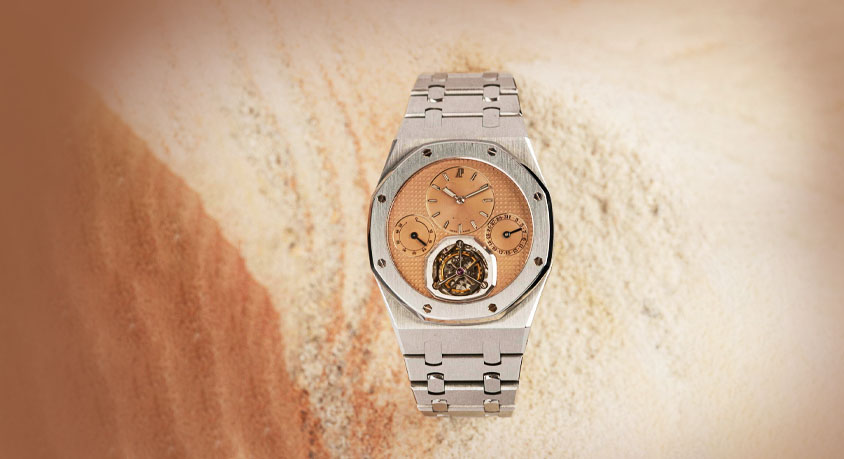
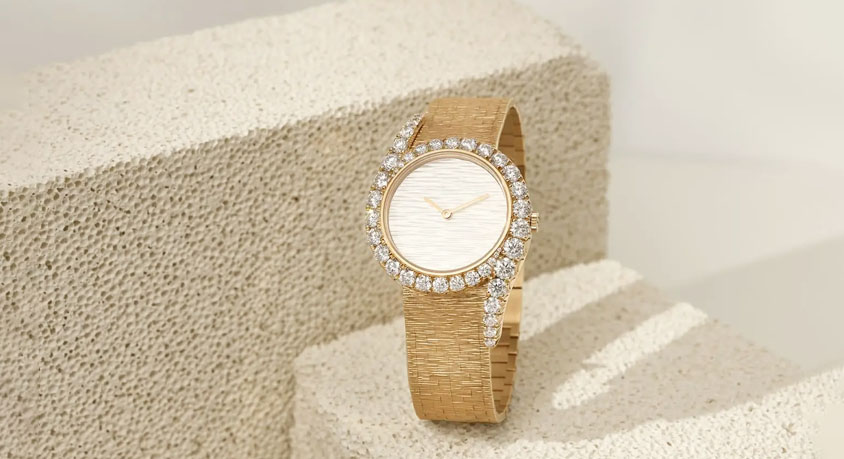
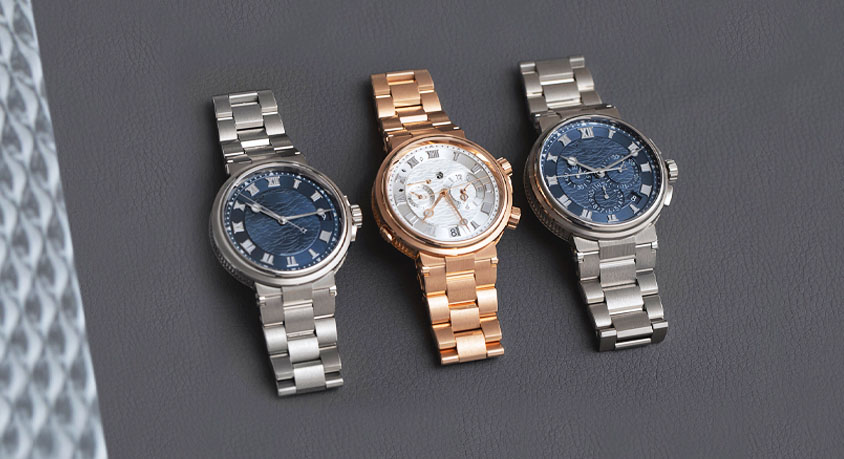
I’ve also noticed that these rare gems tend to have personalities. Pink diamonds feel romantic, like they’ve been dipped in some kind of rosy nostalgia. Blue diamonds are dramatic and enigmatic, evoking oceans and night skies. Paraiba tourmalines? Pure energy, almost neon in personality. Wearing them, even briefly, is like borrowing a fragment of their story. Pair them with a high-quality watch, and suddenly the mundane act of checking the time feels poetic. Luxury isn’t just about bling—it’s about narrative, about the way these rare stones interact with everyday life.
The fascination isn’t just with scarcity. It’s the history, the thrill of discovery, the artistry involved in setting them, and the subtle thrill of knowing only a handful exist in the entire world. These gemstones transform ordinary moments into memorable ones, giving people a reason to pause, admire, and maybe even daydream a little. Luxury, at its finest, is about that spark—literally and figuratively.