We operate under a comforting delusion: that diligently paid health insurance is a fortress against financial ruin. This belief, I've observed countless times, crumbles with the first truly catastrophic medical event, leaving behind not just physical scars but an avalanche of bills that betray every expectation of being "covered."
Think of your insurance policy less as a comprehensive shield and more as a Swiss cheese umbrella – full of strategically placed holes you only discover when the storm hits with full force. These gaps aren't accidental; they are by design: the deductibles you must meet, the co-insurance percentages that can bleed you dry, the bewildering distinctions between in-network and out-of-network providers, and the infamous "surprise billing" that lurks like a predator.
The moment you or a loved one is wheeled into an emergency room, a clock starts ticking, not just for life-saving care, but for the intricate financial gamesmanship that often follows. Hospitals, armed with opaque pricing models and teams of aggressive bill collectors, know you are at your most vulnerable, emotionally distraught and lacking the capacity for negotiation. It’s a ruthless system that leverages human weakness against financial prudence, turning a health crisis into a financial one.
Imagine that catastrophic heart attack striking not in your hometown, but thousands of miles away, on foreign soil. For international audiences, this scenario amplifies the healthcare costs shock exponentially. Your domestic insurance might offer minimal, if any, coverage, leaving you to navigate a foreign medical system, currency exchange rates, and exorbitant emergency medical bills that can easily exceed a lifetime's accumulated savings, transforming a holiday into a financial hostage crisis.
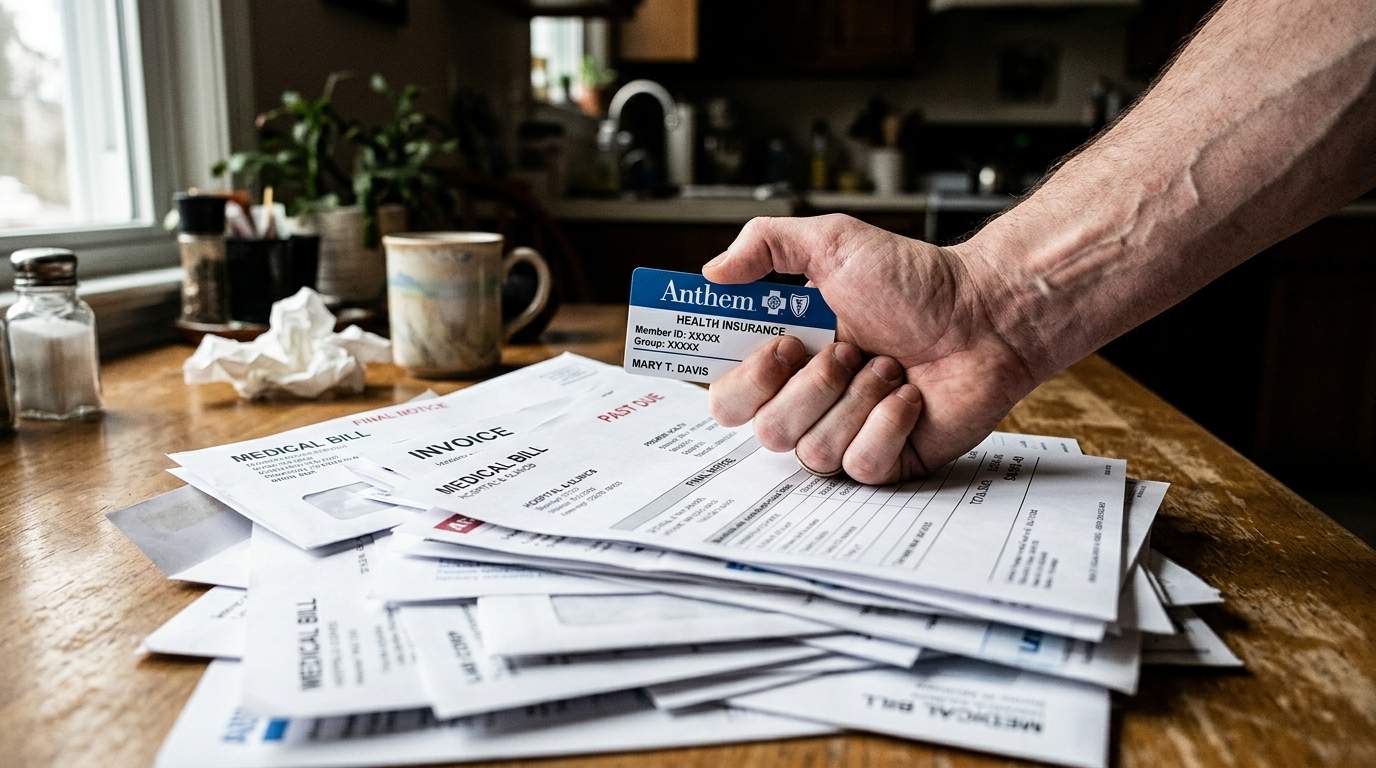
An insidious part of this equation is the often-opaque concept of "medical necessity"—a gatekeeper term that insurers use to retrospectively deem crucial treatments as discretionary after the fact. I’ve personally seen countless claims denied because a pre-authorization wasn't obtained in an emergency, or because the insurer decided, weeks later, that a particular test or procedure wasn't strictly "necessary," leaving families with a staggering balance.
Before you even contemplate an international trip or consider your annual insurance renewal, scrutinize your policy documents with the skepticism of a seasoned auditor. Understand your maximum out-of-pocket, the difference between an urgent care and an emergency room, and specifically what constitutes "catastrophic" coverage. An emergency fund, robust enough to cover several months of living expenses, plus your maximum out-of-pocket liability, isn’t a luxury; it’s the bare minimum for maintaining wealth in this landscape.
When the inevitable tsunami of bills arrives, remember this: hospitals often inflate initial charges, and those figures are frequently negotiable. Never pay the first bill you receive without demanding an itemized statement. Challenge every line item, search for coding errors, and be prepared to negotiate a cash discount if you can pay a lump sum. This isn't just about saving money; it’s about reclaiming agency in a system designed to disempower you.
Escaping the undertow of medical debt isn't just about financial survival; it’s about preserving your capacity to engage with the future, to eliminate that pervasive information anxiety about your financial stability. By insulating yourself from crippling medical debt, you free up capital and mental energy to invest wisely, not just in traditional markets, but in understanding and seizing the next wave of technological dividends that are shaping tomorrow's economy.
While individual vigilance is paramount, the truth is, this isn't a game we can entirely win alone; it's a continuous battle for financial literacy, systemic transparency, and the fundamental right to health without financial ruin that requires our collective, unwavering attention.