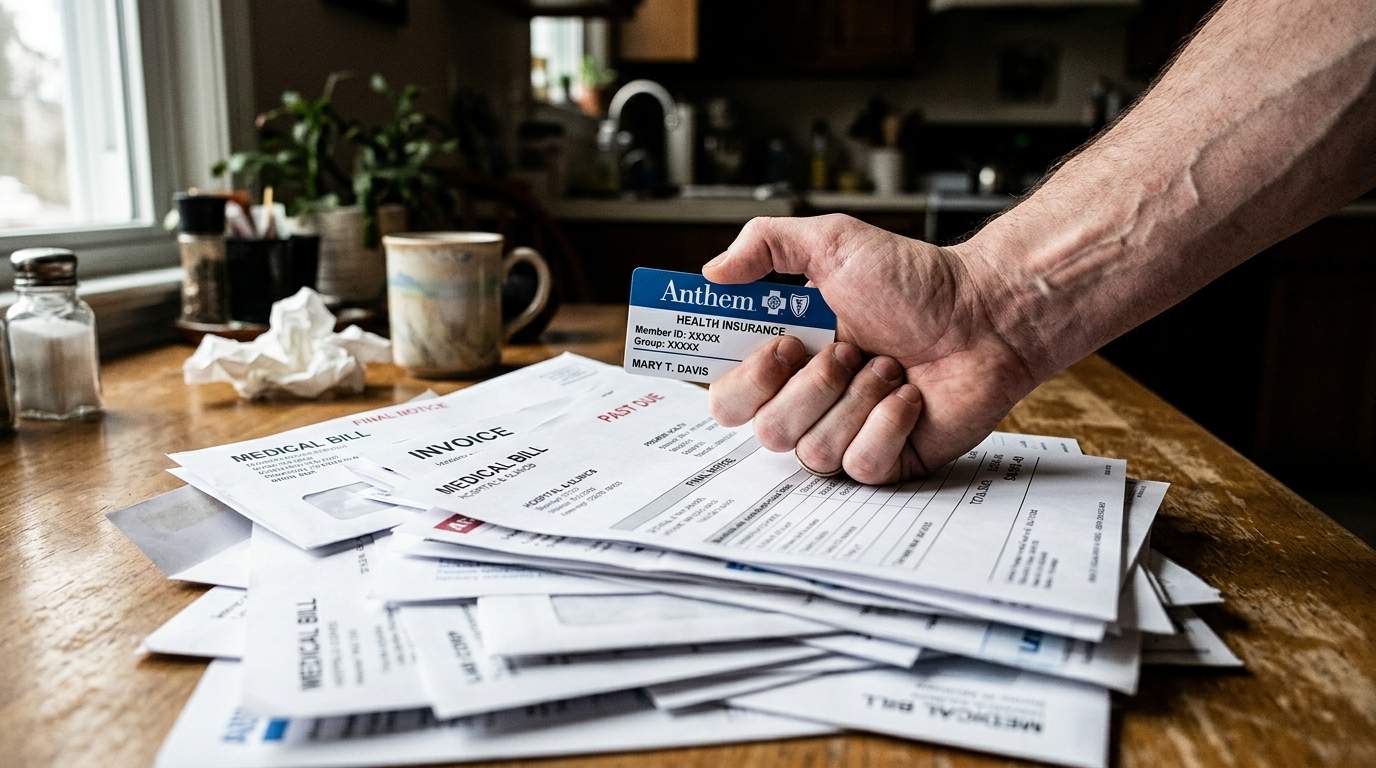
I made the mistake at 28. Bought a small condo because “renting is throwing money away.” Everyone said so. My parents. My barber. The stranger next to me on a flight. Three years later, I sold at a loss after special assessments and a leaking water heater. My “forced savings” had turned into forced withdrawals from my actual savings account.
Here’s what nobody told me: a mortgage is not a piggy bank. It’s a legally binding promise to pay a bank for three decades while hoping nothing breaks, the neighborhood doesn’t turn, and you never need to move quickly.
The “renting is wasting money” mantra is one of the most expensive pieces of conventional wisdom in American finance. Let me show you why.
The Forced Savings Myth: Why Your House Is Not a 401(k)
People love to say “every mortgage payment builds equity.” Technically true. Practically misleading. In the first five years of a typical 30-year loan, over 80% of your payment goes to interest, taxes, and insurance. You’re not building wealth. You’re renting money from the bank while renting a house from your future self.
Real numbers from a current listing: A $400,000 home with 5% down and a 6.5% mortgage. Monthly payment: roughly $3,000. After five years, total paid: $180,000. Principal paid down: about $18,000. The rest? Interest, property tax, maintenance, and PMI. That’s not forced savings. That’s forced expense with a tiny equity kicker.
The Maintenance Monster They Don’t Show on HGTV
Renters have a maximum monthly loss: the rent check. Owners have an unlimited loss. A roof costs $15,000. A furnace costs $8,000. A foundation crack? Call me when you’ve sold stocks at a loss to pay a contractor.
I watched a colleague in Austin buy a “charming fixer” for $450,000. Two years and $65,000 in repairs later, she listed it for $475,000. After agent fees, she lost $40,000. Her renter friend put the same down payment into a simple S&P 500 ETF and gained $55,000. Who threw money away?

The Down Payment Trap: What You Could Have Done With $60,000
A typical first-time buyer puts down roughly $60,000 on a $350,000 home. Let’s play that forward ten years.
Scenario A: Buy the home. Assume 3% annual appreciation (generous). Your $60,000 plus equity growth becomes roughly $135,000 in net proceeds at sale, minus 6% agent fees and 2% closing costs. You walk with maybe $115,000.
Scenario B: Rent. Invest that $60,000 in a balanced portfolio of 80% stocks and 20% bonds. Historical average return after inflation: 6-7%. Ten years later, that $60,000 becomes roughly $110,000 to $120,000. No maintenance. No special assessments. No stress about selling at the wrong time.
The Liquidity Advantage You Never Hear About
Renters can move for a 30% raise in three weeks. Owners take three months and pay 6% to leave. In a volatile job market, that flexibility is worth real money. I’ve seen homeowners turn down $40,000 salary bumps because they couldn’t sell fast enough.
When Buying Actually Beats Renting (The 5% Rule)
I’m not anti-homeownership. I’m anti-magic-thinking. There’s a simple formula I stole from a economist named Ben Felix. Take the home price, multiply by 5%, and divide by 12. That’s your true monthly unrecoverable cost (taxes, maintenance, insurance, interest). Compare to rent.
Example: A $400,000 home has about $1,660 in monthly unrecoverable costs (5% rule). If you can rent the same place for $1,500, rent. Invest the difference. If rent is $2,200, buying starts to make sense.
The Seven-Year Test
Ask yourself: will I live here for at least seven years? If no, rent. Transaction costs (agent fees, transfer taxes, legal fees) eat about 8-10% of a home’s value on each purchase and sale. You cannot outrun that math with “pride of ownership.”
The Hidden Tax Benefits That Aren’t So Hidden (Or Beneficial)
People still brag about the mortgage interest deduction. Here’s the catch: you need to itemize deductions. Over 90% of taxpayers now take the standard deduction after the 2017 tax changes. Unless you have a massive jumbo loan, you’re getting zero tax benefit from your mortgage.
What Actually Builds Wealth (Hint: It’s Not Drywall)
Wealthy families don’t get rich from their primary residence. They get rich from productive assets: businesses, stocks, bonds, real estate they rent to other people. Your own bed, bathroom, and backyard is a consumption item. A wonderful one. But consumption, not investment.
I learned this from a mentor who rented a modest apartment for 20 years while building a $3 million brokerage account. He bought his first home at 58. Cash. No mortgage. No stress. Everyone called him crazy. Now he’s sitting on a paid-off house and a portfolio that throws off $120,000 a year.
Here’s my question for you: if your home is an “investment,” would you buy it today at its current price, with its current carrying costs, and rent it to a stranger for market rent? If the answer is no, why are you buying it for yourself?